Top Signs Your Chimney Needs Attention Before Cold Weather Hits
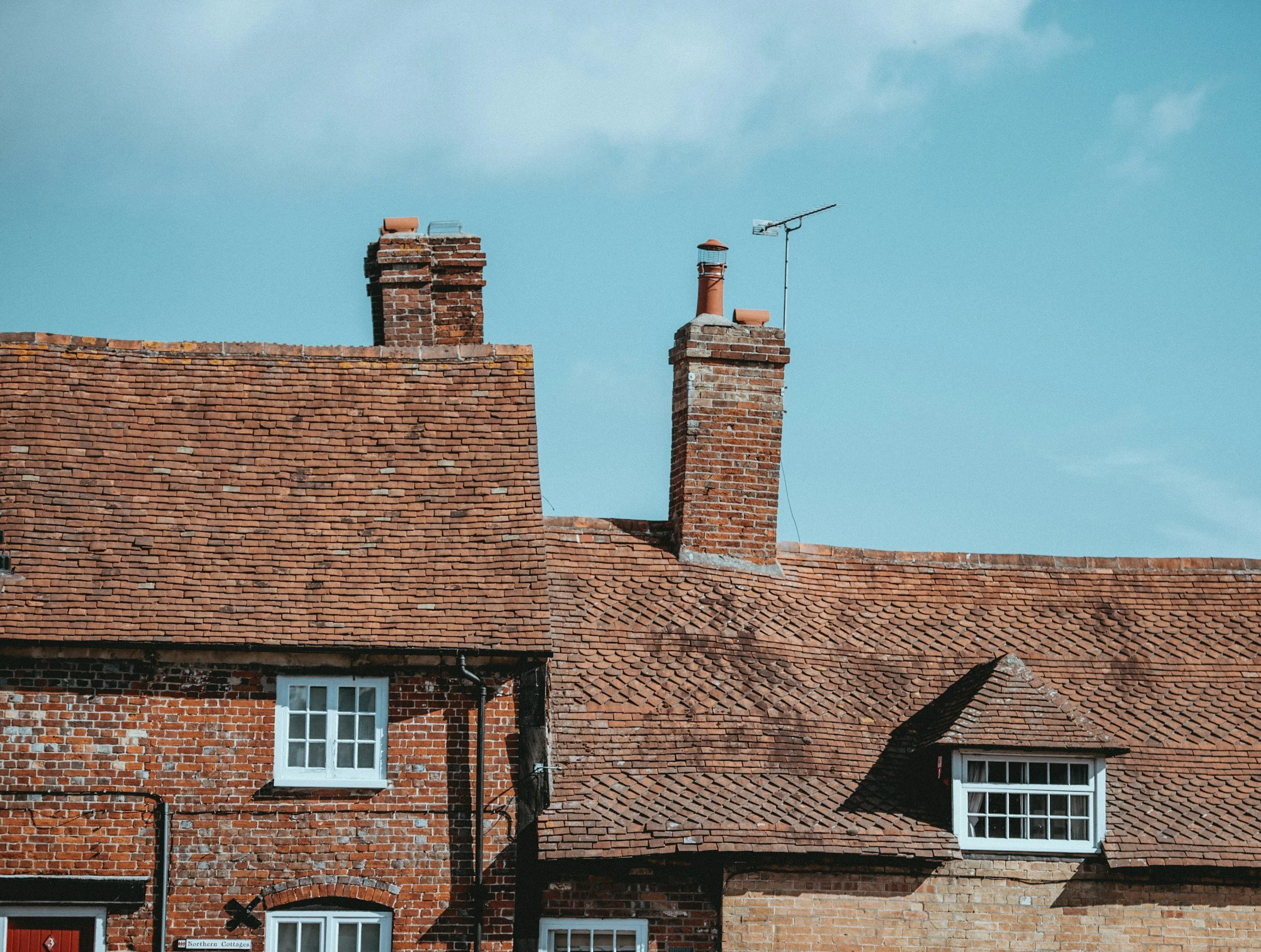
There’s nothing like a crackling fire on a chilly Central Pennsylvania night, but before you light that first log of the season, it’s worth giving your chimney a closer look. Chimneys take a beating year-round, exposed to rain, wind, heat, and freezing temperatures. Over time, even the strongest masonry can develop issues that make your fireplace unsafe or inefficient. Here are the top signs your chimney needs attention before cold weather arrives.
1. Crumbling Mortar Joints
Take a look at the mortar between your chimney bricks. If it’s cracked, missing, or crumbling, that’s a red flag. Damaged mortar allows water to seep into the masonry, and once winter’s freeze-thaw cycles begin, those small cracks can quickly turn into big problems. Repointing the mortar before the season starts keeps your chimney structurally sound.
2. Spalling Bricks
If you notice brick faces flaking, chipping, or falling off, your chimney is suffering from spalling. This happens when water enters the bricks and freezes, forcing pieces of the surface to break away. Spalling weakens the chimney and makes it more vulnerable to collapse if left untreated.
3. White Streaks or Stains
Efflorescence—those white, powdery streaks you sometimes see on brick—means moisture is moving through the masonry. It’s a clear indicator that your chimney isn’t shedding water properly, which could point to failing mortar, cracks, or missing waterproofing.
4. Leaning or Tilting
A chimney that looks even slightly tilted should never be ignored. Structural shifts may signal a compromised foundation or advanced masonry damage. Addressing this early can prevent a dangerous collapse and costly emergency repairs.
5. Damaged Chimney Cap or Crown
The crown and cap are your chimney’s first line of defense against rain, snow, and debris. If they’re cracked or missing, water can pour directly into your flue and cause widespread damage. Replacing or repairing these components is a simple fix compared to repairing water damage later.
6. Draft or Smoke Problems
If smoke backs up into your home when you use the fireplace, it could mean your chimney is blocked, the flue liner is damaged, or the masonry isn’t drawing properly. These issues affect not only comfort but also safety, since poor ventilation can expose your family to carbon monoxide.
7. Rust or Moisture in the Firebox
Check the inside of your fireplace. Signs of rust, dampness, or water stains mean moisture is finding its way down your chimney. This can corrode metal components and damage your firebox if not resolved.
Don’t Wait Until Winter to Act
Chimney problems only get worse when the cold sets in. By addressing these warning signs in the fall, you’ll keep your fireplace safe, efficient, and ready to enjoy all season long.
If you’ve noticed any of these issues—or just want peace of mind before winter arrives—contact JMR today for a free estimate. Our team has decades of experience restoring chimneys and masonry across Central PA, and we’ll make sure your home is safe and cozy for the cold months ahead.