How to Blend New Brickwork with Old for Seamless Restorations
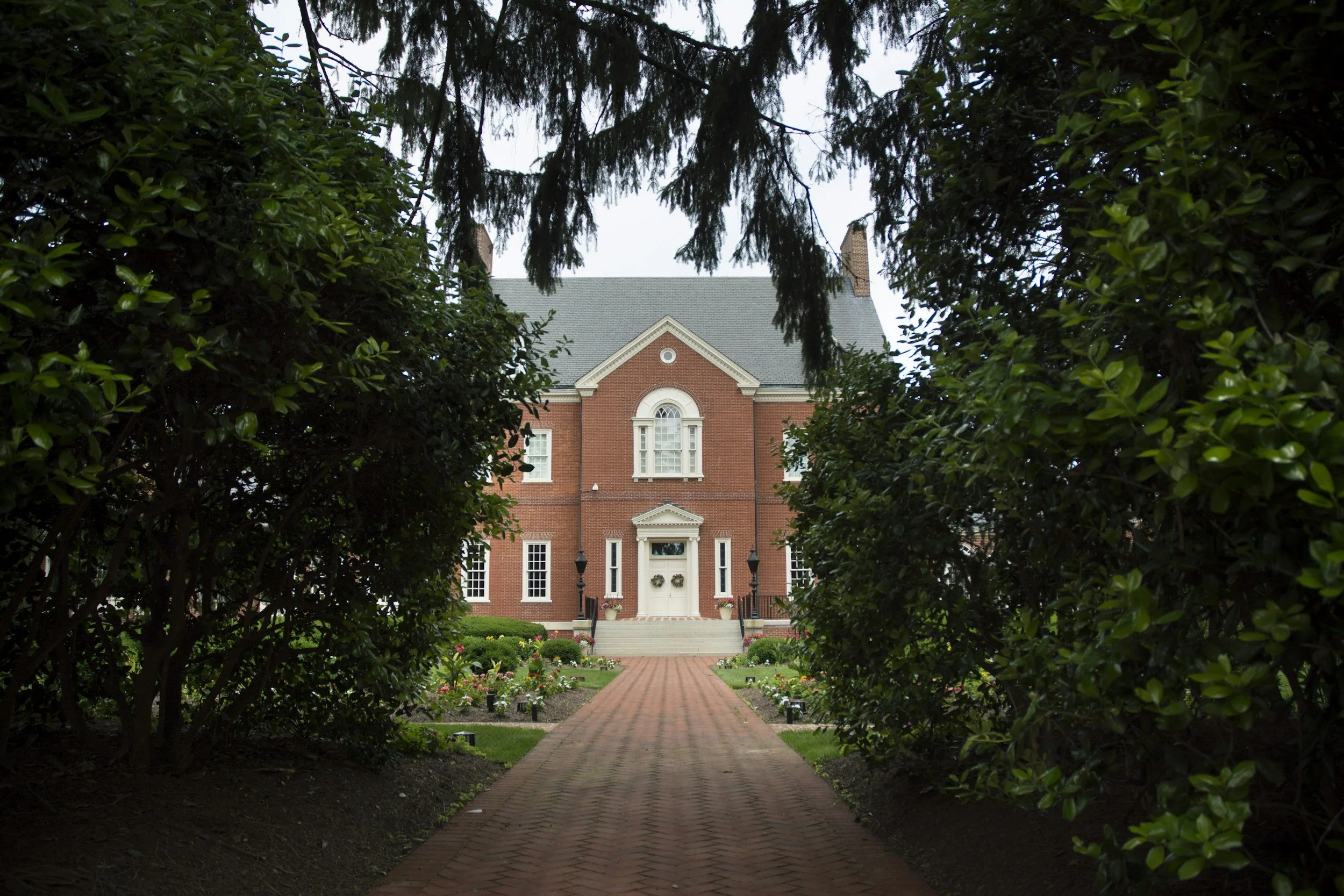
One of the biggest challenges in masonry restoration is making new repairs look like they’ve always been there. For homeowners in Central Pennsylvania, where historic brick homes and older stone properties are common, the last thing you want is a patch of mismatched brickwork standing out against your home’s character. The good news? With the right techniques, new brickwork can blend seamlessly with the old, preserving both beauty and integrity.
Why Matching Matters
Brick is more than just a building material—it’s part of your home’s story. Different eras produced bricks in different sizes, colors, and textures. Even the mortar used to bind them varied widely. If new repairs don’t match, the restoration looks obvious, and in some cases, it can even weaken the structure. That’s why skilled masons pay close attention to detail when repairing or rebuilding sections of older masonry.
Choosing the Right Brick
The first step is selecting bricks that closely resemble the originals. This isn’t always as simple as grabbing a pallet from the local supply yard. Sometimes it requires sourcing reclaimed brick or custom-cutting to match the original size and texture. Color is equally important, since even subtle differences can stand out. Experienced masons know how to evaluate options and choose the best match for your home.
Mortar Matching: The Secret Ingredient
Mortar makes up about 20% of a brick wall’s surface, so matching it is just as important as matching the brick. Older homes often used lime-based mortar, which has a softer look and feel than today’s cement-heavy mixes. If modern mortar is used in repairs, it can create a stark contrast and even cause damage by being too rigid. Professional restoration masons test and mix mortar carefully, ensuring both the color and composition are correct.
Laying Techniques and Weathering
Brick isn’t just about materials—it’s also about craftsmanship. The way bricks are laid, the thickness of joints, and the finish of the mortar all play a role in creating a seamless look. Skilled masons replicate these original techniques so repairs blend in naturally. They also understand how to account for weathering. Sometimes a slightly imperfect finish or subtle variation is intentional, helping new work “age” into the existing structure more convincingly.
When Full Restoration Is Needed
In some cases, brickwork is too far gone for small patches. Larger restoration projects may involve rebuilding entire sections of a wall or chimney while still maintaining the home’s historic look. Even then, the goal is always the same: to create masonry that looks authentic, strong, and timeless.
Preserve the Story of Your Home
A good restoration doesn’t erase history—it respects it. By blending new brickwork with old, you can protect your home’s structure while maintaining the character that makes it unique. The right restoration keeps your home both beautiful and strong for generations to come.
If your home’s brickwork is showing signs of wear—cracked mortar, loose bricks, or mismatched past repairs—contact JMR today for a free estimate. Our skilled team specializes in blending new and old masonry, ensuring your restoration looks seamless and true to the original.