Winter Weatherproofing for Your Retaining Walls and Walkways
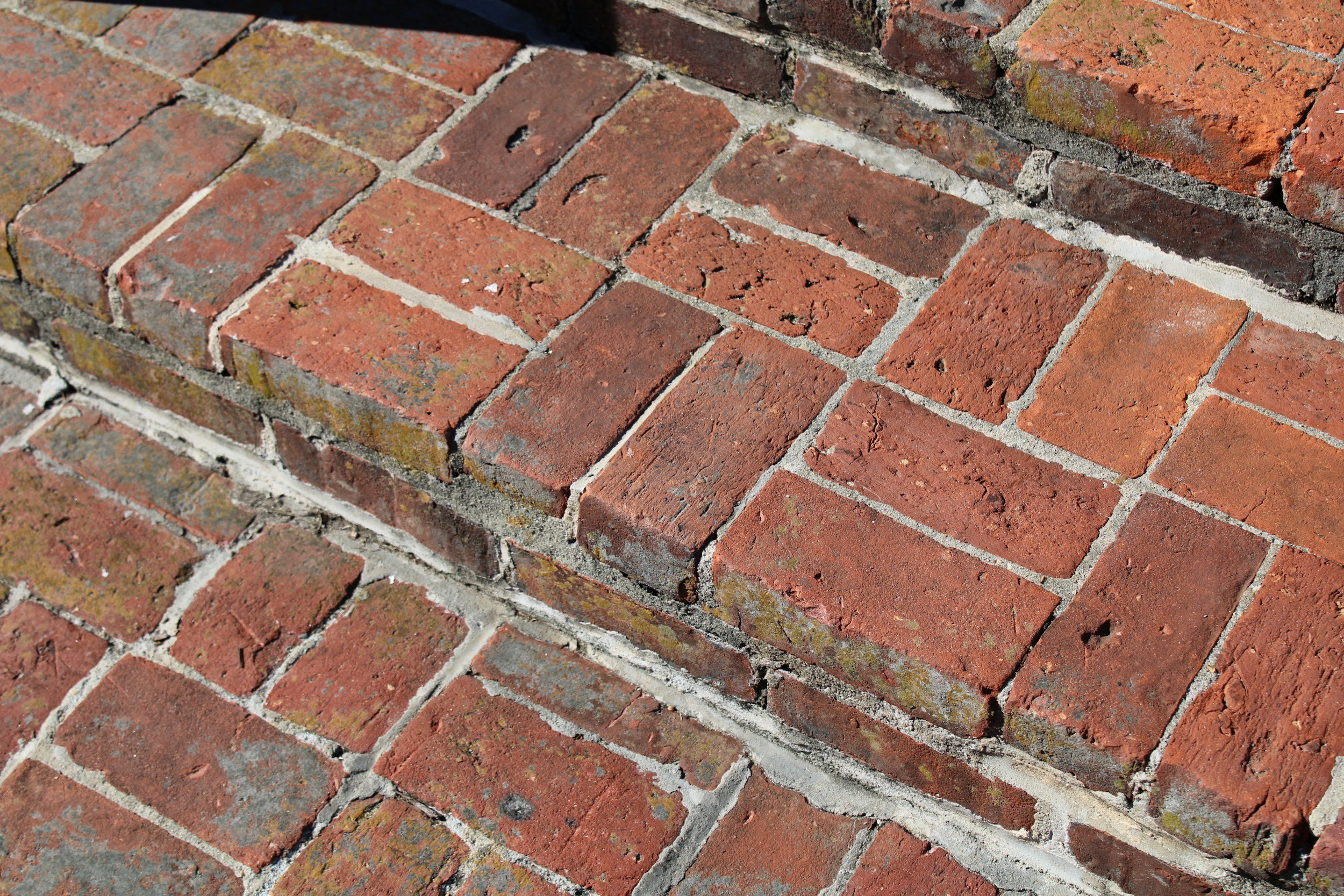
In Central Pennsylvania, winter is more than just snow and ice—it’s months of freeze-thaw cycles, road salt, and heavy moisture that can take a toll on masonry. Retaining walls and walkways are especially vulnerable, since they’re constantly exposed to the elements. Without proper weatherproofing, you could face cracks, crumbling mortar, and uneven surfaces by spring. The good news? A few preventative steps now can protect your investment and keep your outdoor spaces looking great all year.
Why Retaining Walls and Walkways Suffer in Winter
Brick, stone, and concrete may seem indestructible, but they’re porous. Water seeps in, freezes, expands, and slowly forces the material apart. Retaining walls are under additional pressure from the soil they hold back, which only worsens the damage when cracks form. Walkways and steps see frequent use, plus exposure to de-icing products, which can accelerate deterioration. Left untreated, these surfaces not only lose their beauty—they can also become unsafe.
Step 1: Inspect for Existing Damage
Before winter sets in, take a close look at your retaining walls and walkways. Signs of trouble include cracks in mortar joints, loose or shifted stones, flaking concrete, and efflorescence (white streaks from water seepage). Even small issues can worsen dramatically during the freeze-thaw cycle. Addressing them in the fall ensures your masonry starts winter in the best possible condition.
Step 2: Repoint and Repair
Repointing—replacing old, deteriorated mortar with fresh, properly mixed mortar—is one of the best ways to weatherproof masonry. It locks out moisture and restores structural integrity. In some cases, damaged stones or bricks may need replacement. These repairs are best handled before freezing weather arrives, when mortar can cure properly.
Step 3: Apply a Protective Sealant
A breathable water-repellent sealant provides an extra layer of defense against moisture. Unlike surface coatings, breathable sealants prevent water absorption while still allowing trapped moisture to escape. This helps stop water from freezing inside the masonry while avoiding issues with trapped condensation. Professional application ensures even coverage and long-lasting protection.
Step 4: Manage Water Flow
Good drainage is key to masonry preservation. Make sure downspouts direct water away from walkways and walls. Clear leaves, mulch, and debris from the base of walls to prevent moisture buildup. For walkways, check that grading directs water away from your foundation and prevents pooling.
Step 5: Use Masonry-Safe De-Icing Products
Not all ice melt products are safe for masonry. Harsh salts can cause pitting, scaling, and surface damage. Instead, choose masonry-safe de-icers or use sand to provide traction. This small switch makes a big difference in protecting your walkways.
Protect Your Outdoor Spaces Before It’s Too Late
Retaining walls and walkways add beauty, functionality, and value to your home—but only if they’re properly maintained. By inspecting, repairing, sealing, and preparing your masonry before winter, you’ll avoid costly repairs and enjoy safe, durable surfaces for years to come.
If your retaining walls or walkways need repair or restoration, don’t wait until spring to deal with the damage. Contact JMR today for a free estimate. Our experienced team has been helping Central PA homeowners protect and restore their masonry for decades, and we’re here to make sure your outdoor spaces are ready for whatever winter throws at them.